

Functional Bloodwork
This guide helps you prepare for your blood draw to ensure accurate results. To get the specific list of tests required for the audit, please access the Biomarker List below.
Preparation Guide Only
No bloodwork is being ordered here. You are responsible for arranging your own blood draw with your doctor or lab.

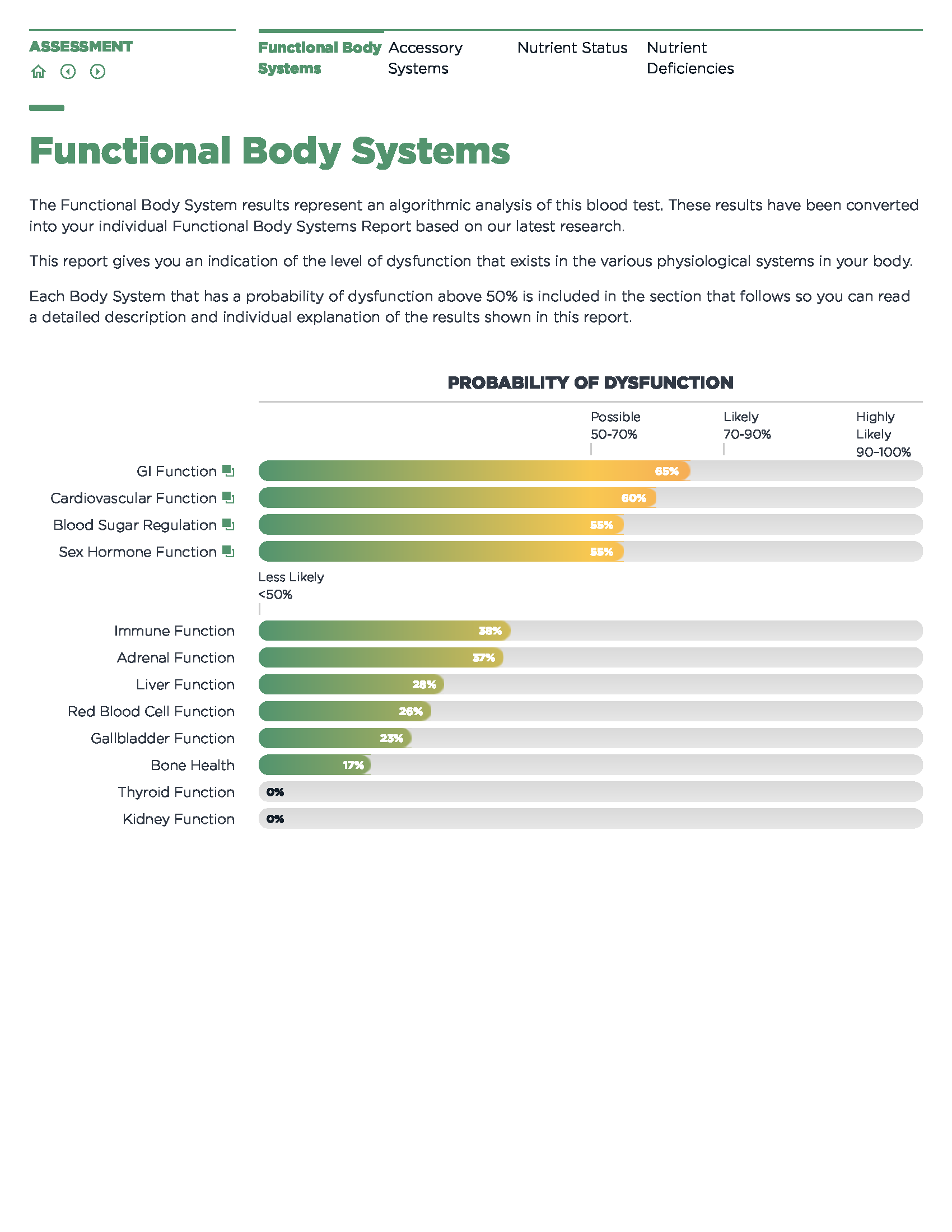
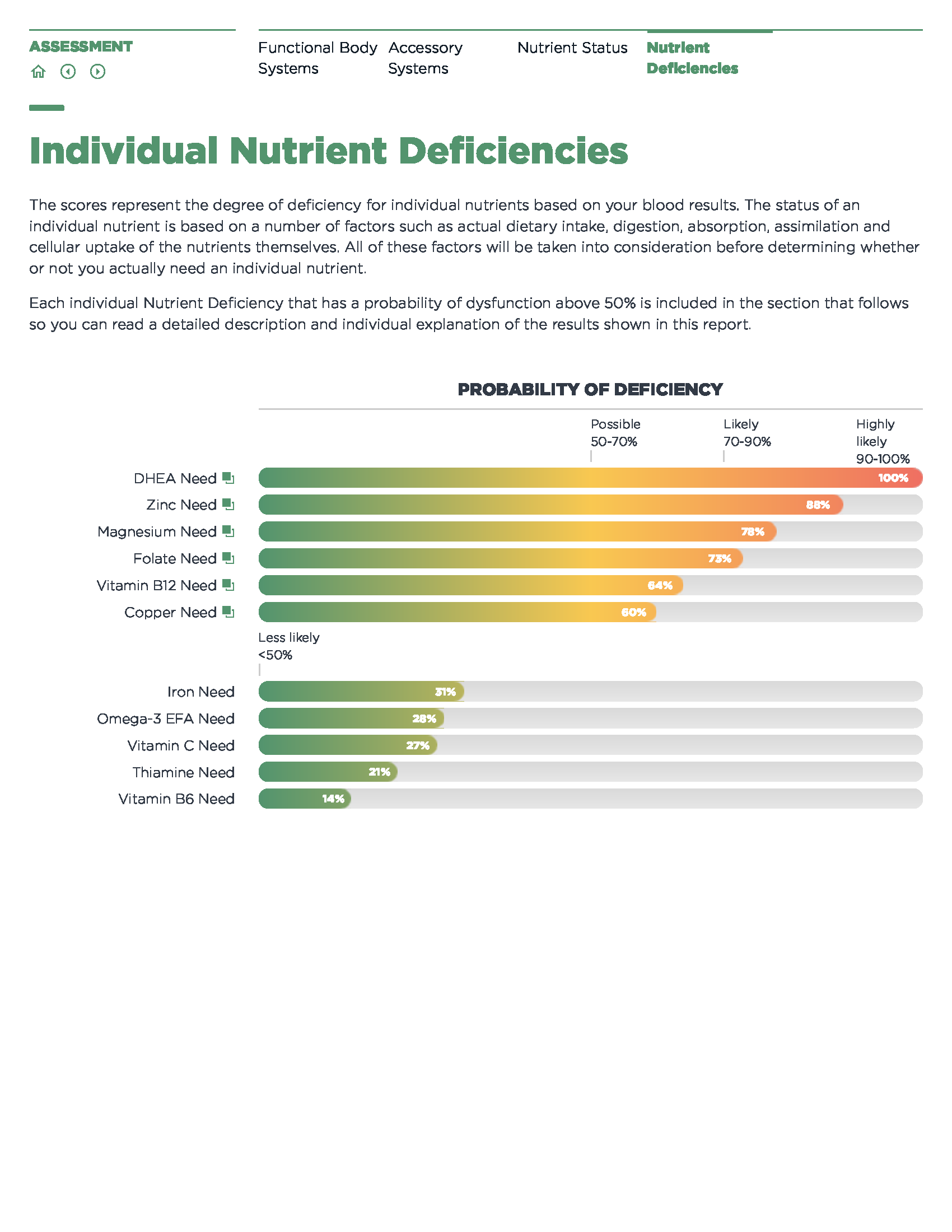
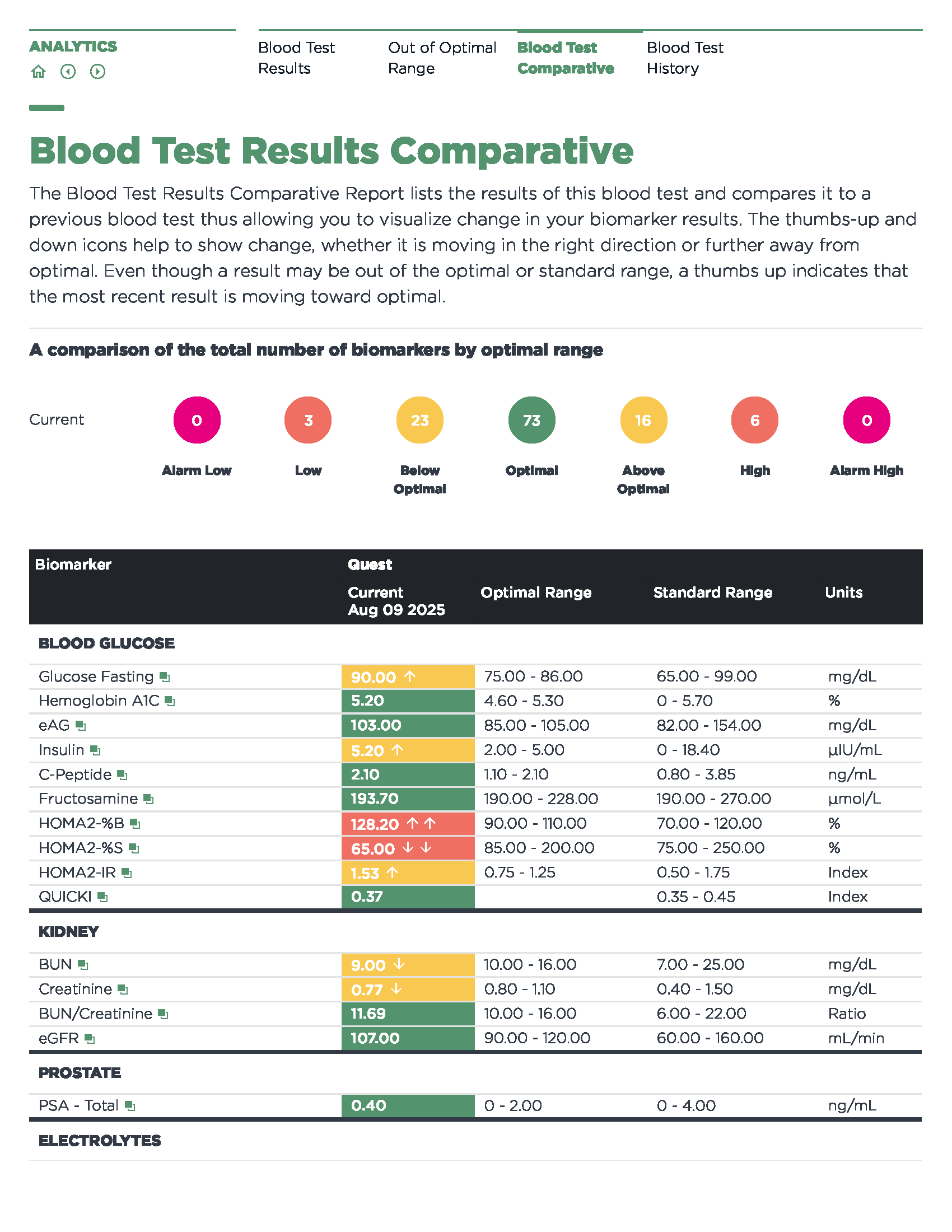
Why “normal” doesn’t always mean “healthy”
Think of your health like a cliff edge. Standard medicine sounds the alarm only when you fall off Disease. Functional analysis alerts us when you are walking too close to the edge Dysfunction.
🎯 Why Functional Ranges?
Standard lab ranges are based on the statistical average of the population (including sick people). Functional ranges are tighter and based on optimal physiology, allowing us to spot trends before they become pathology.
🧩 Connecting the dots
No marker exists in isolation. We need to see them together. For example, "Normal" glucose with high insulin suggests early insulin resistance. "Normal" iron with high ferritin suggests inflammation, not iron sufficiency.
Clinical Indications
Preparation Instructions
Fasting Required
Fast for 12-14 hours before your draw. No coffee, tea, or food. Water is encouraged.
Hydrate Well
Drink 1 large glass of water the morning of your draw. Dehydration can falsely elevate markers.
Stay Calm
Stress spikes Cortisol. If you fear needles, sit for 5 mins before the draw. Schedule for 7:00–9:00 AM.
Stop Biotin
CRITICAL:
Stop all supplements containing Biotin (B7) for 72 hours prior. Biotin skews several tests results.
Pause Supplements
Pause Creatine & NAC 48hrs prior. Pause general multivitamins 24hrs prior.
Women's Cycle
For hormones (Plus/Ultimate), test on Day 19–22 of your cycle (approx 5-7 days before your period starts).
Which Panel Do I Need?
The Biomarker List includes three tiers. Choose the one that fits your goals.
Basic
Plus
Ultimate
Get the Biomarker List
Download my recommended blood tests for a functional overview of your health. Available in 🇺🇸 🇮🇹 🇫🇷 🇩🇪 🇪🇸 🇬🇷
Got Your Results?
Once you have your blood tests, I'll help you translate these numbers into a plan.
Book Your Audit